
What to Pack for Wuhan
Complete packing checklist tailored to Wuhan's climate and culture
Climate Overview for Wuhan
Wuhan runs humid subtropical. Four distinct seasons. Summers drag on, hot and heavy. The air sits thick, a warm weight against your skin. Cicadas drone. Sweat gathers fast. Winters bite cold and damp, chill creeping through whatever you wear. Spring and autumn flash by, pleasant enough, then sudden rain. Pack for humidity. Pack for swings. Breathable fabrics that dry fast. You will need both sultry heat gear and penetrating cold layers, sometimes within one trip.
Clothing & Footwear

Wuhan demands walking. East Lake sprawls. The Hubei Provincial Museum stretches on. Summer heat rises from concrete. Rain slicks sidewalks other months. Supportive shoes. Non-negotiable.

Summer humidity in Wuhan means damp clothes stay damp. Quick-dry underwear solves this. Wash in your hotel sink. Dry by morning. Daily necessity here.

Wuhan packing runs bulky. Light linens. Heavy coats. Compression cubes maximize space. Essential tactic for this climate's wardrobe demands.

Foldable daypacks suit Wuhan's moody skies. Carry empty to morning markets. Deploy for extra layers when afternoon cools. Or for an umbrella when rain hits the Yangtze River bridges.
Electronics & Gadgets

China uses Type A, I, and C sockets. Universal adapter covers all. Wuhan hotels and cafes mix socket types freely. Dead phones frustrate. Avoid this.

Wuhan sightseeing drains batteries fast. Maps. Translation. Photos. High-capacity power bank keeps you running from morning markets through neon evenings on Jianghan Road.
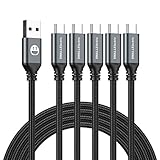
Multiple durable cables charge everything at once. Power bank. Phone. Other devices. Braided construction survives humid days stuffed in daypacks.
Wuhan never quiets completely. Metro rumbles. Scooter horns chorus. Food streets buzz. Noise-canceling headphones help. Long bus rides to East Lake improve. Train journeys too.
Older Wuhan hotels offer one or two outlets, often distant from beds. Compact power strip with USB ports solves this. One adapter, multiple charges. Simple fix.
Toiletries & Health

Clear organized bag speeds airport security. Keeps essentials contained in compact Wuhan hotel bathrooms. Protects from humidity. Protects from spills.

Basic first aid kit handles blisters from Wuhan's large sights. Small cuts too. Immediate care when pharmacies sit distant, in East Lake's vast park areas.

Solid bars prevent liquid spills in luggage. Work well in Wuhan humidity where liquids leak. More compact. Frees bag space.
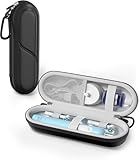
Hard case protects electric toothbrush. Prevents transit damage. Keeps brush head clean across Wuhan's varied accommodation types.

Pill organizer tracks doses through time changes and busy Wuhan exploration. Keeps medications dry. Keeps them organized despite humidity.
Documents & Security

Document holder organizes passport, Chinese visa, boarding passes. Protects them. Security layer for critical papers at busy Wuhan Railway Station.

Wuhan stays generally safe. Money belt still helps. Carry cash. Carry backup cards. Peace of mind in crowds on Jianghan Road pedestrian street or Guanggu shopping district.

Luggage locks secure checked bags. Work on lockers too if your Wuhan accommodation provides them. Deter opportunistic theft. Basic security.
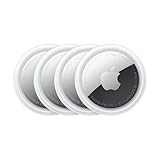
AirTag in each checked bag enables tracking. Valuable reassurance given complex transfers and massive travel hubs serving Wuhan. Locate bags fast if misplaced.
Comfort & Convenience
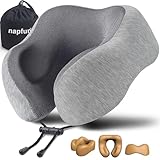
Neck pillow essential for long flights to China. Recuperation aid on high-speed trains to or from Wuhan. Supports against train jostle. Supports against upright budget airline seats.

Wuhan rarely sleeps fully. Sleep mask blocks streetlight glow. Blocks early sun. Aids sleep despite jet lag. Aids sleep despite poor hotel blackout curtains.

Earplugs muffle traffic. Muffle early street sweepers. Muffle neighboring guests. Indispensable for light sleepers in central Wuhan accommodations.
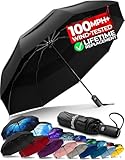
Sudden rain hits Wuhan, spring and autumn. Sturdy compact umbrella shields you. Walking the vast Yangtze River Bridge. Exploring outdoor historic sites like Yellow Crane Tower.

Plastic bags fade from Wuhan supermarkets. Foldable tote fills the gap. Spontaneous market purchases. Snacks for East Lake. Water bottles back to hotel.
Outdoor & Hiking Gear

Trekking poles are essential for East Lake's trails. They steady you on uneven paths and spare your knees during long walks. Bring them for Moshan Hill's rugged sections.
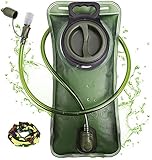
Hydration matters in Wuhan's humid summers. A hydration pack lets you sip hands-free while covering long lakeside paths or large urban parks. No vendor hunting required.
Seasonal Packing Adjustments
What to add or skip depending on when you visit
Summer
June, July, August
Add: Maximum-strength antiperspirant, Portable handheld fan, Multiple changes of lightweight, sweat-wicking clothing, Broad-brimmed sun hat, High-SPF sunscreen
Shop Summer essentials →Skip: Heavy jackets, Bulky sweaters, Thick denim
Wear linen and technical synthetics. You will shower twice daily. Plan museum visits for peak afternoon heat. Skip the cotton.
Winter
December, January, February
Add: Thermal base layers, Insulated down jacket, Wool hat, scarf, and gloves, Waterproof boots with good traction, Rich moisturizer for dry skin
Shop Winter essentials →Skip: Lightweight sundresses, Sandals, Short-sleeve shirts
Wuhan's damp cold cuts deep. One windproof coat beats three light sweaters. You will see your breath at Guiyuan Temple. Pack smart.
Spring/Autumn
March, April, May, September, October, November
Add: Lightweight waterproof jacket, Layering pieces like cardigans, Comfortable walking shoes suitable for rain
Shop Spring/Autumn essentials →Skip: Extreme winter gear, Minimal summer clothing
Weather shifts fast. Bring layers you can peel on and off. An umbrella is non-negotiable. Sunny mornings turn wet by afternoon.
Luggage Recommendation
Pack a medium checked suitcase plus a carry-on backpack. This handles Wuhan's layered clothing demands while keeping meds and a change of clothes close. Smooth-rolling wheels help at train stations and city paths. Planning serious shopping? Bring an expandable case or stash a foldable duffel inside.
Shop Carry-On Luggage on AmazonPro Packing Tips
Practical advice from experienced travelers
Don't Pack
- Full-sized shampoo and conditioner bottles
- A heavy guidebook
- Multiple pairs of high heels or dress shoes
- A full roll of toilet paper
- A large water bottle
- Common over-the-counter medicines like ibuprofen
Buy Locally
- Get a local SIM or eSIM. Buy data plans at Wuhan Tianhe International Airport's arrival hall. China Mobile and China Unicom stores across the city also stock them.
- Bottled water is cheap and everywhere. Corner shops and supermarkets sell 500ml bottles for a few yuan. Stock up often.
- Carry an umbrella. Caught without one? Street vendors and convenience stores sell cheap umbrellas at modest prices. Problem solved.
- Skip hotel breakfast. Hit 武商超市 (Wushang Supermarket) for pastries, yogurt, and fruit. Better value. More authentic.
Packing Hacks
- Roll clothes instead of folding to save space
- Pack shoes in shower caps to protect clothes
- Use packing cubes to stay organized
- Keep essentials in your carry-on
Continue Planning Your Trip
More guides to help you prepare
Ready to plan your trip to Wuhan?
Now that you've got the research covered, here's where to go next.